
When temperatures drop in the winter, homeowners need dependable heat. Many households rely on forced-air furnaces. Others choose boiler systems for steady comfort. If you are considering a boiler system, you need clear facts first. Boilers offer unique advantages, but they also have limitations.
How Boiler Systems Work
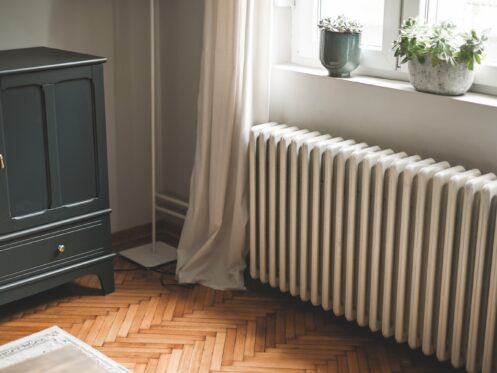
Boilers heat water and circulate it through pipes that run through your home. These pipes deliver heat to radiators, baseboard units, or in-floor tubing. Unlike furnaces, boilers don’t blow heated air through ductwork. They rely on radiant heat or hot water distribution. This process creates consistent warmth without needing a complex series of ducting.
Modern boilers can run on natural gas, oil, propane, or electricity. Many high-efficiency models extract an impressive amount of heat from fuel. This design reduces energy waste and lowers operating costs.
The Pros of Boiler Systems
Boilers provide several advantages for homeowners in Nashua. Many locals prefer them for comfort and efficiency.
Even and Consistent Heat
Boilers deliver radiant heat that warms surfaces and objects. This method creates steady indoor temperatures. You won’t feel sudden blasts of hot or cold air. Rooms maintain balanced warmth throughout the heating cycle. Radiant heat also reduces temperature fluctuations. This stability improves overall comfort during colder months.
Quiet System Operation
Boilers operate much more quietly than forced air systems. You will not hear a blower motor cycling frequently. The radiators and baseboards attached to the boiler system only produce minimal sound. Homeowners who value quiet living spaces appreciate the quieter operation offered by boiler systems.
Improved Indoor Air Quality
Boilers do not rely on a series of ductwork. This design eliminates dust from circulating through ductwork and out into your living spaces. Boilers avoid this indoor air quality issue entirely. If someone in your home has allergies or asthma, consider this benefit.
Energy Efficiency
Modern boilers offer excellent efficiency ratings. Many condensing boilers exceed 90% efficiency. High-efficiency systems use less fuel to produce the same amount of heat, which lowers your monthly heating costs. Zoned heating also improves efficiency. You can heat specific areas instead of your entire home.
Long Equipment Lifespan
Boilers typically last longer than furnaces. Many systems operate reliably for 15 to 30 years with professional care. Proper maintenance protects internal components and improves longevity. Durable construction makes boilers a long-term investment.
Radiant Floor Compatibility
Boilers pair well with radiant floor heating systems. Heated floors create comfortable warmth underfoot. This system eliminates cold spots in rooms with tile or hardwood flooring. Many homeowners appreciate the consistent and luxurious feel of radiant flooring.
The Cons of Boiler Systems
While boilers offer strong benefits, they also present challenges. You should consider these factors before making a final decision.
Higher Installation Costs
Boiler systems often cost more to install than furnaces. Radiant tubing, piping, and radiators require professional design and installation. Labor and materials increase the upfront investment. Homes without existing piping may need significant modifications to install a new boiler system.
Slower Heating Response
Boilers heat water before distributing warmth. This process takes longer than with forced-air systems. You may notice slower temperature adjustments when changing thermostat settings. Boilers maintain steady heat, but they don’t respond as quickly as furnaces.
No Built-In Cooling
Boilers only provide heating. They do not cool your home during summer. Furnaces often share ductwork with air conditioning systems. Boilers require a separate cooling solution. Homeowners may need ductless systems or standalone air conditioning units.
Risk of Leaks
Boiler systems rely on water circulation. Pipes and fittings can develop leaks over time. Even small leaks reduce efficiency and damage surrounding materials. Routine inspections help detect issues early and prevent expensive repairs.
Space Requirements
Boilers require space for the unit and connected piping. Some homes may lack adequate room for installation. Older radiators and baseboards also occupy wall space. This layout may impact where you can place furniture or store items.
Understanding the Types of Boilers
Understanding the different boiler types helps you make an informed decision. We can help you weigh your options before making a purchase or scheduling an installation.
Conventional Boilers
Conventional boilers, also called regular or heat-only boilers, use a storage tank for hot water. They also rely on a separate cold water tank. These systems work well in homes with high hot water demand. Larger households often benefit from this design.
Conventional boilers can supply multiple taps at once without losing pressure. However, they require more installation space. It’s important to remember that you will need room for both the boiler unit and storage tanks. We can help you determine the best system setup and size to ensure your new boiler system fits in well in your home.
Combi Boilers
Combi boilers combine heating and hot water into one compact unit. They heat water on demand instead of storing it in a large tank. This saves space and reduces standby heat loss. They work well in smaller homes or apartments. However, they struggle if multiple showers or appliances run simultaneously. If your household uses large amounts of hot water at the same time, a combi boiler system may feel limited.
System Boilers
System boilers fall between conventional and combi designs. They use a hot water cylinder but don’t require a cold-water tank. Many internal components come pre-built into the unit. This setup simplifies installation and reduces space needs.
System boilers provide strong water pressure and a consistent hot water supply. They work well in medium to large homes with moderate water demands.
Condensing Boilers
Most modern boilers use condensing technology. Condensing boilers capture heat from exhaust gases before venting them outside. This process increases efficiency and lowers fuel consumption. Condensing models come in combi, system, and conventional configurations. If energy efficiency is a priority, condensing technology offers significant benefits.
High-Efficiency Boilers
High-efficiency boilers operate at lower water temperatures. They maximize heat transfer and reduce fuel waste. These systems often pair with advanced controls and zoning features. Homeowners seeking lower operating costs often choose high-efficiency models.
Choosing the Right Boiler Type
Selecting the right boiler requires evaluating several factors. You will need to consider your household size and daily hot water usage. Think about the layout of your home and its space. We can evaluate your home to determine how much installation space you have and which boiler will be most beneficial.
It’s also important to evaluate your long-term energy goals. A properly sized and selected boiler improves comfort and reduces energy waste.
Making the Right Choice for Your Home
Joyce Cooling & Heating Inc. is a local HVAC company that offers installation, maintenance, and repairs for all makes and models. Our family-and-veteran-owned company has proudly served our customers since 1995.
