
As temperatures drop in New Hampshire, our furnaces kick on to keep us warm. While essential, heating systems also strip moisture from the air, leading to dry indoor conditions during a season when the air already holds less moisture. Proper humidity levels improve comfort, enhance your home’s air quality, and help your HVAC system perform more efficiently during our long winters. Adding moisture back into the air is the solution, but choosing the right humidifier is key.
The best choice depends on several factors, including your home’s size, desired maintenance level, and specific humidity needs. This guide will walk you through the key considerations, ensuring you find the perfect fit for your home.
Why Homeowners in Nashua, NH Use Humidifiers
The dry, cold winter air in Nashua is a primary reason homeowners invest in humidifiers. When your heating system runs, it further reduces the relative humidity inside, leading to some noticeable and often irritating issues.
- Dry skin
- Nosebleeds
- Reduced comfort
- Increased static electricity shocks
- Warped wood furniture or flooring
Types of Humidifiers
Humidifiers come in two main categories: portable units for single rooms and whole-home systems that integrate with your HVAC system. Here are the types to help you make an informed decision.
Portable Humidifiers
Portable humidifiers are standalone appliances designed for a single room or small area. They are easy to set up; just fill them with water and plug them in. These units are an okay choice for renters or for targeting a specific area, like a bedroom, to improve sleep. However, they have tanks that need to be continually refilled with water, often several times per day. They also need to be cleaned often to prevent mildew from forming and to remove hard water build-up. Lastly, they need to be sized correctly for the specific room, so they aren’t versatile for different spaces. You’ll need multiple units to address humidity in different parts of the home.
Whole-Home Humidifiers
A whole-home humidifier is professionally installed directly into your home’s heating and cooling system. It works in tandem with your furnace to distribute humidified air evenly throughout your entire house via the ductwork. This provides consistent, low-maintenance comfort in every room without the need for water refills or constant cleaning of the unit.
Warm Mist vs. Cool Mist Models
This distinction applies primarily to portable units. Cool mist humidifiers use a fan or ultrasonic technology to create a fine mist. They are safer for homes with children and pets.
Warm mist models use a heating element to boil water, releasing a soothing steam. While the boiling process kills waterborne bacteria, the hot steam can pose a burn risk. There is also a burn risk if the unit is knocked over and the hot water spills. Lastly, although the plastics used in these systems are considered heat-resistant, some homeowners have concerns about boiling water inside a plastic tank before the vapor is released.
Choosing the Right Whole-Home Humidifier
Sizing is a critical factor when selecting a humidifier, but it isn’t the only one. A device that is too small will not be effective, while one that is too large can create new problems. There also might be compatibility issues with your ductwork or the HVAC unit itself. You need to consider several factors to choose the right humidifier for your needs.
- Choosing whole-home units by square footage
- Ensuring compatibility with your HVAC setup
- Avoiding issues from incorrect sizing
- Thermostat compatibility and controls
- Clean ductwork and good airflow
Understanding Humidifier Maintenance Requirements
All humidifiers require regular maintenance to operate safely and effectively. Neglecting these tasks can lead to the growth and circulation of mold, bacteria, and other contaminants.
- Regular filter or panel replacement
- Frequent cleaning for portable units
- Using distilled water if you have hard tap water
- Proper cleaning to prevent mold
- Annual maintenance for whole-home units
Features to Look for When Buying a Humidifier
Modern humidifiers offer a range of features designed for convenience, efficiency, and better control over your indoor environment.
- Built-in humidistat for auto-control
- Adjustable humidity percentage settings
- Automatic shutoff for safety
- Smart controls for remote access or thermostat integration
- Low noise levels for bedrooms
How Much Humidity Is Too Much?
While dry air is a problem, so is excessive humidity. Finding the right balance is crucial for your comfort and the health of your home.
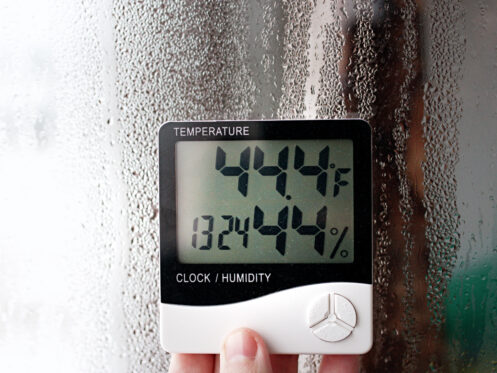
For most homes, the ideal indoor humidity level is between 30% and 50%. Experts suggest 35% to 45% as the “sweet spot” to prevent condensation on cold windows while avoiding skin and sinus irritation.
- Condensation or frost on windows
- Damp, clammy-feeling air
- Musty odors
- Peeling paint or wallpaper
- Visible mold or mildew growth
Balancing comfort and moisture control is easy with a properly sized humidifier equipped with a humidistat. It allows you to set the perfect level and trust the system to maintain it automatically.
Whole-Home Humidifier vs. Portable Humidifier
The choice between a whole-home and a portable humidifier often comes down to convenience, coverage, and long-term value. A whole-home system offers a “set it and forget it” solution, seamlessly managing humidity throughout your entire house with minimal daily effort. You fill it once at the start of the season, and it draws water directly from your plumbing.
Portable units require frequent refilling, sometimes daily, and treat only one room at a time. They also need to be cleaned to prevent mold and bacteria. While their up-front cost is lower and they are convenient, the maintenance is more hands-on, and their effectiveness is limited to only one room or space.
In contrast, a whole-home system requires professional installation but provides superior, even humidification with less maintenance and greater long-term value for protecting your home and improving comfort.
Common Humidifier Buying Mistakes
Avoiding a few common pitfalls can ensure you get the most out of your investment and achieve the comfortable indoor environment you’re seeking.
- Selecting the wrong size unit
- Ignoring necessary maintenance
- Focusing only on up-front cost
- Forgetting a built-in humidistat
A professional from our team can help make sure you pick the right unit for your needs and budget.
Improve Indoor Comfort with Joyce Cooling & Heating Inc.
From protecting your family’s health to preserving your home’s structure, a whole-home humidifier is an investment in total comfort. You can also reduce strain on your furnace, since proper humidity levels make rooms feel more pleasant.
If you’re ready to explore whole-home humidifier options, our team can help. Joyce Cooling & Heating Inc. provides honest advice and expert installations. We will assess your home’s specific needs and recommend the right system to improve your indoor air quality.
Contact our team at Joyce Cooling & Heating Inc. today to schedule a consultation for whole-home humidifiers in Nashua.
Frequently Asked Questions
The right size depends on your home’s square footage and layout. For portable units, check the manufacturer’s recommendation for room size. For a whole-home solution, a professional from Joyce Cooling & Heating Inc. can perform a calculation to determine the ideal capacity for your entire house.
For most homeowners, yes. A whole-home humidifier offers superior convenience, more consistent humidity levels, and lower maintenance than portable models. It adds value to your home and protects wood floors, furniture, and your family’s respiratory health, making it a worthwhile investment.
The ideal indoor humidity level is generally between 30% and 50%. During cold New Hampshire winters, it’s often best to keep it between 35% and 45% to prevent condensation on windows and other cold surfaces while avoiding issues like dry skin and a scratchy throat.
Cleaning frequency varies by type. Portable humidifiers may need to be cleaned every few days to once a week. Whole-home humidifiers typically require professional service once a year, usually during your annual furnace tune-up, along with a water panel replacement.
Potentially, yes. By adding moisture to the air, a humidifier might soothe dry, itchy skin and relieve irritated nasal passages and throats. This can help to reduce allergy and asthma symptoms that dry air aggravates, making your home a more comfortable and healthier place to live in.
