
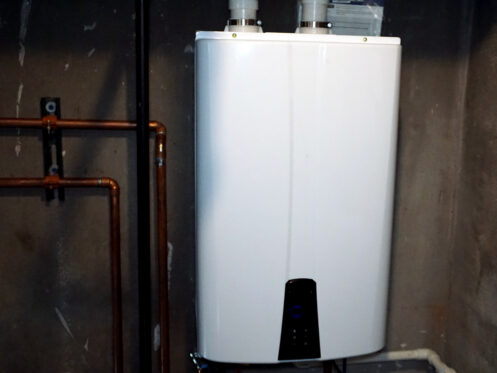
When your water heater stops working, it’s easy to think the only solution is to replace it with a similar model. However, choosing a new water heater is a significant decision that impacts your home’s comfort, energy use, and monthly utility bills. For homeowners in Nashua, NH, selecting the right unit involves more than a simple one-for-one swap. It’s an opportunity to find a system that better matches your household’s size, your available fuel source, your energy efficiency goals, and your long-term budget.
Today’s water heaters offer more options than ever before, from traditional storage tanks to highly efficient tankless and hybrid models. Knowing the differences between these systems can help you make an informed investment. This guide will walk you through the main factors to consider and help you navigate the most popular water heater options available.
What to Consider Before Choosing a Water Heater
Before you start comparing models, assess your home’s specific needs. A water heater that’s perfect for a small condo might not be suitable for a large family home. Taking stock of these factors will help you narrow down your choices and find the most effective and economical solution for your property.
- Household size and water usage
- Your home’s available fuel source
- Energy efficiency and long-term savings goals
- The amount of available installation space
- Your budget for upfront and long-term costs
Traditional Tank Water Heaters
The conventional storage tank water heater is the most common type in American homes. These units feature an insulated tank that holds and heats a reservoir of water, typically ranging from 30 to 80 gallons. A thermostat controls the temperature, and as you use hot water, cold water enters the bottom of the tank, ensuring a ready supply.
The main advantage of a traditional tank water heater is its lower upfront cost, making it a budget-friendly option for many homeowners. They are available in both gas and electric models, offering flexibility based on your home’s fuel source. These systems are often best for households with consistent, predictable hot water usage, as they can reliably supply multiple fixtures at once, up to the tank’s capacity.
Tankless Water Heaters
Tankless water heaters, or on-demand water heaters, represent a major shift in technology. Instead of storing hot water, these units heat it instantaneously as it flows through the device. When you turn on a hot water tap, cold water travels through a pipe into the unit, and either a gas burner or an electric element heats it on the spot.
Benefits
One of the most significant benefits of a tankless system is its continuous supply of hot water, so you’ll never run out. Their compact, space-saving design is another major plus, as you can mount them on a wall to free up valuable floor space. Tankless water heaters also tend to have a much longer lifespan than traditional tanks, often lasting 20 years or more. Because they do not constantly heat a stored tank of water, they are more energy-efficient, which can lead to lower utility bills.
Things to Consider
The primary drawback is the higher initial installation cost compared to tank-style heaters. Additionally, flow rate may limit their output. In larger households where multiple hot water appliances might be running at the same time, a single unit may struggle to keep up unless you size it correctly for peak demand. Like any sophisticated appliance, they also require periodic maintenance to prevent mineral scale buildup and ensure optimal performance.
Gas Water Heaters
When comparing fuel types, natural gas water heaters offer distinct advantages, especially for homes in colder climates like New Hampshire. Gas models, whether they are tank or tankless, typically heat water much faster than their electric counterparts. This rapid recovery time is a significant benefit for larger families who use a lot of hot water in a short period.
A gas tank heater can quickly reheat its water supply after you’ve depleted it, reducing the wait time for the next hot shower. This makes them an excellent option for handling high hot water demand. However, installation requires access to a natural gas or propane line and proper venting to the outdoors to safely exhaust combustion gases. These requirements can influence your placement and installation choices.
Hybrid Heat Pump Water Heaters
Hybrid water heaters, or heat pump water heaters, are one of the most energy-efficient options on the market. They combine a traditional storage tank with heat pump technology that captures warmth from the surrounding air and transfers it to the water inside the tank.
How They Work
Instead of generating heat directly through electric resistance coils, a hybrid unit functions like a refrigerator in reverse. It pulls heat from the ambient air in your basement or utility room and uses it to heat the water. This process is far more efficient than traditional electric heating, though most models also have backup electric coils to assist during periods of high demand.
Benefits
The primary benefit is dramatically lower operating costs, as they can be two to three times more energy-efficient than a standard electric water heater. This exceptional efficiency can lead to significant utility savings over the life of the unit. They are also an environmentally friendly option due to their lower energy consumption.
Considerations
Hybrid units require more space than a standard water heater, as they need several feet of clearance around them for adequate airflow. They also need to be in a location that remains between 40°-90°F year-round and is typically larger than 700 cubic feet. Finally, they come with a higher upfront investment than other models, though federal tax credits and local rebates can sometimes help offset the cost.
Which Water Heater Is Right for Your Home?
With a clear understanding of the different types, you can match a system to your specific needs.
- Small households: Smaller tanks or point-of-use units
- Large families: High-capacity gas or whole-home tankless systems
- Homes with limited space: Wall-mounted tankless water heaters
- Energy-conscious homeowners: Hybrid or tankless models for efficiency
- Budget considerations: Traditional tanks for lower upfront costs
Signs It’s Time to Replace Your Water Heater
Not sure if you need a new unit? If your current water heater is 8-12 years old, it’s wise to start planning for a replacement. Watch out for these warning signs:
- Inconsistent hot water or lukewarm temperatures
- Rust-colored or murky water coming from your taps
- Leaks or pooling water around the base of the tank
- Strange noises like rumbling or popping from the unit
- A sudden increase in your energy bills
Why Professional Sizing and Installation Matter
Choosing the right type of water heater is only half the battle. Proper sizing and professional installation are essential to ensure your new system operates efficiently and reliably. An undersized unit will constantly struggle to meet your needs, while an oversized one will waste energy. A trained plumber can perform a detailed assessment of your home to recommend the perfect size and model.
Furthermore, professional installation helps ensure that all plumbing, electrical, and venting connections are safe and correct and also adhere to local codes in Nashua. This not only maximizes your system’s performance and lifespan but also protects your home and your investment.
Find the Right Water Heater With Joyce Cooling & Heating Inc.
Navigating the world of water heaters can feel overwhelming, but you don’t have to do it alone. Since 1995, our family-owned and veteran-owned team at Joyce Cooling & Heating Inc. has been helping homeowners find the perfect hot water solutions for their needs. Our experienced plumbers can evaluate your household demand, explain your options, and provide a flawless water heater installation.
As a multi-year Best of Nashua Award winner, we work hard to provide our neighbors with honest advice and exceptional service. If you’re ready to upgrade to a more efficient and reliable water heater, contact Joyce Cooling & Heating Inc. for expert guidance and installation here in Nashua, NH.
