The average lifespan of a commercial HVAC system is 10 to 15 years. However, most units begin to show a noticeable decline in efficiency after 8 to 10 years. With the right practices, you can operate and maintain your heating and cooling equipment to extend its service life while staying efficient. Here’s a comprehensive guide to extending the lifespan of your HVAC equipment.
Factors Influencing HVAC System Lifespan
Before you can extend the life of your commercial HVAC system, it’s important to understand the key factors that affect its durability and long-term performance. These include:
Installation
A proper installation begins with selecting the right system for your specific building and environment. For example, a packaged system may be ideal for facilities with limited indoor mechanical space. On the other hand, a split system may be better suited for buildings that require flexible zoning or have unique layout challenges.
Commercial HVAC systems come in different heating and cooling capacities, and the output of your specific unit must match your building’s heating and cooling load. This load is influenced by your climate, indoor environment, number of occupants, the type of structure you have, and the way the building is used throughout the day.
A proper load calculation ensures the system is neither undersized nor oversized. An undersized unit will run constantly, struggle to reach set temperatures, and wear out prematurely. An oversized unit will short-cycle, waste energy, and create uncomfortable temperature swings.
The Cleanliness of the Units and Their Environment
Dirt, debris, and humidity significantly impact the lifespan of a commercial HVAC system. When dust and contaminants accumulate on coils, filters, and internal components, the system must work harder to maintain proper airflow and temperature control. This added strain increases energy consumption and accelerates wear on motors, belts, and other mechanical parts.
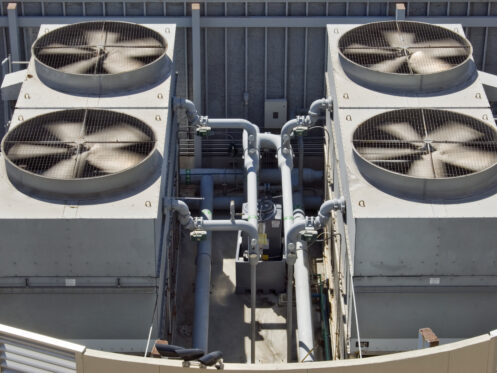
Outdoor units are equally as vulnerable. Leaves, grass clippings, pollen, and debris can clog condenser coils and restrict heat transfer. Keeping both indoor and outdoor equipment clean and maintaining a tidy mechanical room or rooftop area helps the system operate efficiently and reduces the likelihood of premature failure.
How to Extend Commercial HVAC Lifespan
Extending the lifespan of a commercial HVAC system starts by learning how to use the system in a sustainable way. This is paired with the support of a trained technician throughout the year. Here’s what you need to do:
Proper Usage
If you turn off your cooling system, wait at least five minutes before turning it back on. This pause allows refrigerant pressure to equalize and prevents the compressor from starting under heavy load. When setting the thermostat, choose temperatures that optimize comfort and efficiency rather than extreme settings that force the system to work harder than necessary.
In summer, set your cooling system to 78 degrees Fahrenheit when the building is occupied and 85 degrees or off when it’s unoccupied. In winter, set the heating system to 68 degrees when people are in the building and 55 degrees when the building is empty. Avoid turning the heating system off completely in winter. Indoor temperatures can drop too low, causing pipes to freeze. Low temperatures can also affect computers and machinery. Batteries may fail, LCD screens can become damaged, and certain components may become brittle, crack, or break when temperatures fall below freezing.
Additionally, avoid or minimize using the thermostat’s ON setting. When the thermostat is set to ON, the blower fan runs continuously, increasing electricity costs and causing the motor to wear out faster. The recommended setting is AUTO. This is because the blower only operates when the system is actively heating or cooling.
Replace Filters Regularly
You can’t apply the same three-month filter change schedule you use at home to your commercial property. In your home, you can control almost every factor that affects air quality. In a commercial building, especially one with frequent walk-ins, you can’t control most of what enters the space. Foot traffic, outdoor air exchange, dust from deliveries, and general activity all contribute to faster filter clogging.
You will need to actively monitor your air filters and replace them as soon as you notice dust and debris accumulation, even if it has been only 15 days since the last change. Dirty filters restrict airflow, force the system to work harder, and increase wear on motors and fans. This not only shortens the lifespan of your HVAC system but also raises energy consumption and operating costs.
Schedule Prompt Repairs
You can significantly extend the lifespan of your commercial HVAC system by addressing problems as soon as they arise. When any component is malfunctioning, the entire system bears the strain. A failing blower motor, a refrigerant leak, a clogged drain line, or a worn belt may seem like a small issue at first. However, each one forces other parts of the system to work harder to compensate for their failures. This added stress accelerates wear, reduces efficiency, and increases the likelihood of a major breakdown.
Proactively catching problems requires you to know the early signs of system failure. For instance, if your heating or cooling system is taking longer than expected to reach comfortable temperatures, it likely has an underlying issue. Call a qualified technician to investigate further. Other warning signs include unusual sounds or vibrations, odd odors, reduced airflow, inconsistent temperatures, water around indoor units, or a sudden increase in energy bills.
Schedule Routine Professional Maintenance
Your commercial HVAC system needs at least two maintenance visits per year. Your system runs for longer hours, serves larger spaces, and handles heavier heating and cooling loads, which means components wear down faster and need more frequent inspection.
A trained technician will clean coils, check refrigerant levels, inspect electrical connections, lubricate moving parts, test safety controls, and verify that the system is operating at peak performance. These routine visits help catch small issues early, prevent unexpected breakdowns, and ensure your equipment reaches its full service life.
Take Advantage of Beneficial System Upgrades
There are many innovations in the HVAC industry that have made modern systems far more efficient, reliable, and easier to maintain than older equipment. One of the most impactful upgrades is installing smart thermostats and advanced building controls. These devices optimize temperature settings, reduce unnecessary runtime, and provide detailed performance data that helps you identify issues early. They also enable zoning, scheduling, and remote monitoring, which improve comfort and reduce energy waste.
Another valuable upgrade is high-efficiency motors and variable-speed components. Variable-speed blowers and compressors adjust their output based on real-time demand, rather than running at full capacity continuously. This reduces wear, lowers energy consumption, and helps maintain more consistent indoor temperatures.
Contact Joyce Cooling & Heating Inc. for More Information
Let our experts at Joyce Cooling & Heating Inc. guide you through the best strategies to protect your commercial HVAC investment in Nashua, NH. Whether you need help choosing the right upgrades, scheduling maintenance, or diagnosing performance issues, our team is ready to support you with reliable and professional service.
Call Joyce Cooling & Heating Inc. today to discover how we can help you extend the lifespan of your commercial HVAC system.
