
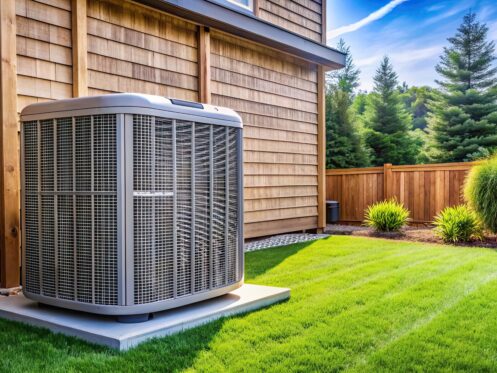
A frozen AC unit is a common summer problem for homeowners in Nashua, NH. Ice can form on the evaporator coil, refrigerant lines, or nearby components. That ice can reduce cooling efficiency, increase energy use, and strain the system. If ignored, the problem can lead to larger and more expensive repairs.
Freezing usually points to airflow, refrigerant, thermostat, or maintenance issues. The ice is a symptom, not the root problem. Most frozen AC problems can be diagnosed once the cause is found.
Why Is My AC Freezing Up?
Your air conditioner removes heat from indoor air. The warm air passes over the indoor evaporator coil, and refrigerant inside the coil absorbs heat and helps cool the air. Moisture from the air normally condenses and drains away.
Freezing happens when the evaporator coil gets too cold. Moisture that should drain away instead turns into ice. The ice blocks heat transfer and reduces airflow even more. That is why a frozen system can still run, but will cool poorly.
What Causes an AC to Freeze Up?
Several problems can make the evaporator coil drop below freezing. The most common causes involve restricted airflow or refrigerant issues. Thermostat settings and unusually cool outdoor temperatures can also contribute. Accurately diagnosing the cause is crucial for choosing the right method to fix it.
Restricted Airflow
Your AC needs steady airflow across the evaporator coil. If warm air can’t reach the coil, the coil can get too cold. Dirty filters are one of the most common airflow problems, but blocked vents and dirty coils can also reduce airflow.
Blower motor issues can create the same result. A weak blower may not move enough air through the system. When airflow is reduced, ice can form and spread quickly. Routine air conditioning service helps catch these issues early.
Low Refrigerant Levels
Low refrigerant can also make an AC freeze. Refrigerant should not disappear during normal operation, since it runs on a closed loop. If levels are low, the system may have a leak. Reduced pressure can make coil temperatures fall below freezing.
Other warning signs of refrigerant issues might appear before heavy ice forms. You may notice weak cooling, longer run times, or hissing sounds. Your energy bills may also rise as the system struggles to keep up. Refrigerant problems require professional testing and repair by a qualified expert, since they are potentially hazardous.
Thermostat and Temperature Issues
Setting the thermostat extremely low may force long cooling cycles that lead to ice formation. Running the AC during cool evenings can also create problems. This can happen during mild nights in Nashua.
A faulty thermostat may also cause the system to run for too long at once. That can keep the coil from warming enough, leading to freezing on the unit.
Air Conditioner Pipes Are Frozen: What Does It Mean?
Homeowners often notice ice on refrigerant lines first. These lines connect indoor and outdoor AC components. Ice on the larger suction line usually points back to coil trouble. The cause may be airflow restriction or low refrigerant.
Removing the ice does not fix the problem. Continued operation can strain the compressor and reduce performance. The underlying cause needs to be corrected.
How to Fix a Frozen AC Unit
If your AC is frozen, turn the cooling off first. Let the ice melt before restarting the system. You can set the fan to On to help move air and speed up the thawing process. Do not chip ice off the coil or lines, as you can damage the equipment.
Next, check the filter and replace it if it’s dirty. Make sure supply vents and return grilles are open. Move furniture or rugs blocking airflow. Review thermostat settings before restarting the system.
If ice returns, stop running the AC and call for service. Recurring ice usually means a deeper issue remains. Refrigerant leaks, blower problems, and dirty coils need professional diagnosis, and Joyce Cooling & Heating Inc. can inspect the system safely.
How to Stop a Window Air Conditioner From Freezing Up
Window air conditioners can freeze for similar reasons. A dirty filter can block airflow across the coil. Blocked intake or discharge areas can also cause trouble.
Avoid setting the temperature excessively low. Clean coils according to the manufacturer’s instructions. Make sure the unit is sized for the room. An oversized unit may cycle poorly, leaving comfort issues behind.
Why Nashua Homeowners Experience AC Freeze-Ups
New Hampshire summers can bring heat and humidity together. Humid air adds more moisture for the AC to remove. If the airflow is weak, the moisture can freeze on the coil. Long heat waves can also expose hidden system problems.
Many systems sit unused through long winters. Spring maintenance may be overlooked until the first hot week. Aging HVAC equipment may also work harder, leading to strain and ice issues.
When to Call an HVAC Professional
Call a professional if ice returns after the system thaws. You should also call if the airflow stays weak or if you notice signs like hissing sounds, unusual noises, or poor cooling.
An expert technician can measure airflow and check refrigerant levels. They can also inspect coils, blower components, and the thermostat. This helps identify the real cause before damage grows.
Schedule AC Repair with Joyce Cooling & Heating Inc.
If your system keeps freezing, professional help is the safest next step. Joyce Cooling & Heating Inc. provides AC diagnostics and repair for Nashua homeowners.
Our family-owned, locally owned, and veteran-owned team has served the area since 1995. We focus on reliable service and clear answers.
If you need AC repair in Nashua, contact Joyce Cooling & Heating Inc..
Frequently Asked Questions
Frozen AC problems can be confusing for homeowners. These common questions explain what ice buildup may mean. The answers below cover common causes.
Your AC may freeze in summer because airflow is restricted. Low refrigerant can also make the coil too cold. High humidity can accelerate ice buildup, since the AC has to work harder in humid conditions.
An AC can freeze overnight when outdoor temperatures drop. Low thermostat settings may also keep the system running too long. Restricted airflow or low refrigerant can make this worse.
No, you should turn the cooling system off. Running a frozen AC can badly damage important components. Let the ice melt before restarting the system. Call for service if the ice returns.
Thawing can take several hours. The fan setting may help air move across the coil. Do not restart cooling until the ice is gone.
Yes, a dirty filter can restrict airflow. Less airflow means less warm air reaches the coil. The coil can then drop below freezing. Replacing dirty filters helps prevent this problem.
A window unit may freeze because of poor airflow. Dirty filters, dirty coils, and blocked air paths are common causes. Low temperature settings can also contribute. If cleaning does not help, service may be needed.
